

 |
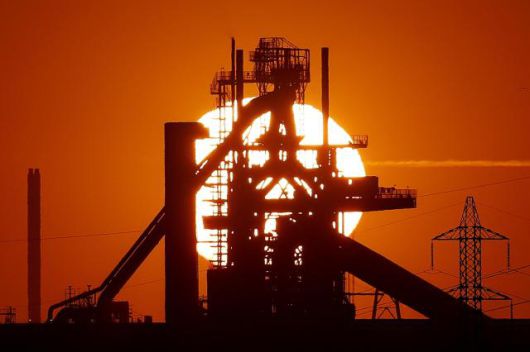
General view of the Arcelor Mittal plant in Fos-sur-Mer, Southern France, 12 March 2026. On 11 March 2026, the members of the International Energy Agency (IEA) agreed to unlock 400 million barrels of Oil from their reserves in response to rising oil prices brought on by the Iran conflict. EPA/Yonhap |
<이미지를 클릭하시면 크게 보실 수 있습니다> |
The decision was announced Monday after a meeting between the government and the ruling party, which agreed to gradually release the oil stockpile in line with a collective action plan led by the International Energy Agency (IEA).
According to the briefing, the release corresponds to the volume allocated to Korea under the IEA’s emergency response framework. The drawdown will be implemented in stages over the next three months to cushion the impact of surging oil prices triggered by escalating conflict in the Middle East.
The IEA said member nations have agreed to release a total of 400 million barrels from strategic reserves. Of that amount, 271.7 million barrels will come from government-held stocks, while 116.6 million barrels will be supplied from obligated industry reserves and another 23.6 million barrels from other sources.
The agency said about 72 percent of the planned release will consist of crude oil, with the remaining 28 percent made up of refined petroleum products.
Supplies held in Asia–Oceania countries will be made available immediately, while reserves from Europe and the Americas are expected to enter the market later this month.
The IEA has deployed coordinated reserve releases during previous energy crises. In 2022, member countries released about 182 million barrels after the outbreak of the Russian invasion of Ukraine triggered a surge in global oil prices.
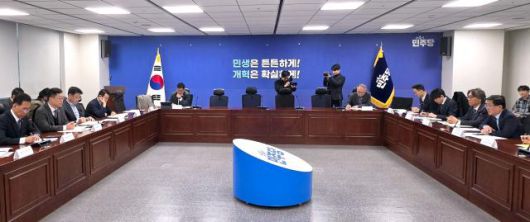 |
Korean climate and energy minister Kim Sung-whan holds a meeting with ruling Democratic Party member on oil crisis from Iran war on March 12, 2026 (Yonhap) |
<이미지를 클릭하시면 크게 보실 수 있습니다> |
The government reported its plan of proposing a supplementary budget bill by the end of March to mitigate the economic impact of the conflict, including energy price support and assistance for affected exporters.
South Korea currently holds crude reserves equivalent to about 208 days of imports, while liquefied natural gas stockpiles cover roughly nine days of consumption, according to the briefing.
To secure additional crude supplies, the government is also considering bringing home oil produced overseas by the state-run Korea National Oil Corporation, with about 3.35 million barrels expected to be imported by June.
Authorities said they will strengthen energy supply management by increasing electricity generation from coal and nuclear plants to offset potential shortages of liquefied natural gas.
The government plans to temporarily lift the cap limiting coal-fired power plants to 80 percent of installed capacity and accelerate maintenance work on nuclear reactors currently under repair, with the goal of raising the nuclear power utilization rate from the high-60 percent range to around 80 percent by mid-May.
Officials are also reviewing whether to designate the Yeosu petrochemical industrial complex as a special industrial crisis response zone as petrochemical producers face shortages of key raw materials including aluminum, sulfur and naphtha.
The relief measures have helped little to alleviate oil prices flirting around $100 per barrel as the market suspects reflecting market concerns that the conflict could lead to prolonged disruption of energy flows through the Strait of Hormuz — one of the world’s most critical oil transit chokepoints.
Iran has intensified attacks on commercial vessels in the region and warned it would block oil shipments benefiting the United States and its allies, raising fears that a sustained closure of the waterway could severely disrupt global energy supply.
Kim Yeon-jae 편집국장 duswogmlwo77@ajupress.com
- Copyright ⓒ [아주경제 ajunews.com] 무단전재 배포금지 -
이 기사의 카테고리는 언론사의 분류를 따릅니다.
기사가 속한 카테고리는 언론사가 분류합니다.
언론사는 한 기사를 두 개 이상의 카테고리로 분류할 수 있습니다.
언론사는 한 기사를 두 개 이상의 카테고리로 분류할 수 있습니다.
